

A few days ago, I retired.
The pension paperwork is filed. My government job is over. The employment contract, the paycheque, and the schedule that belonged to someone else all ended at once.
My body still thinks I have a job.
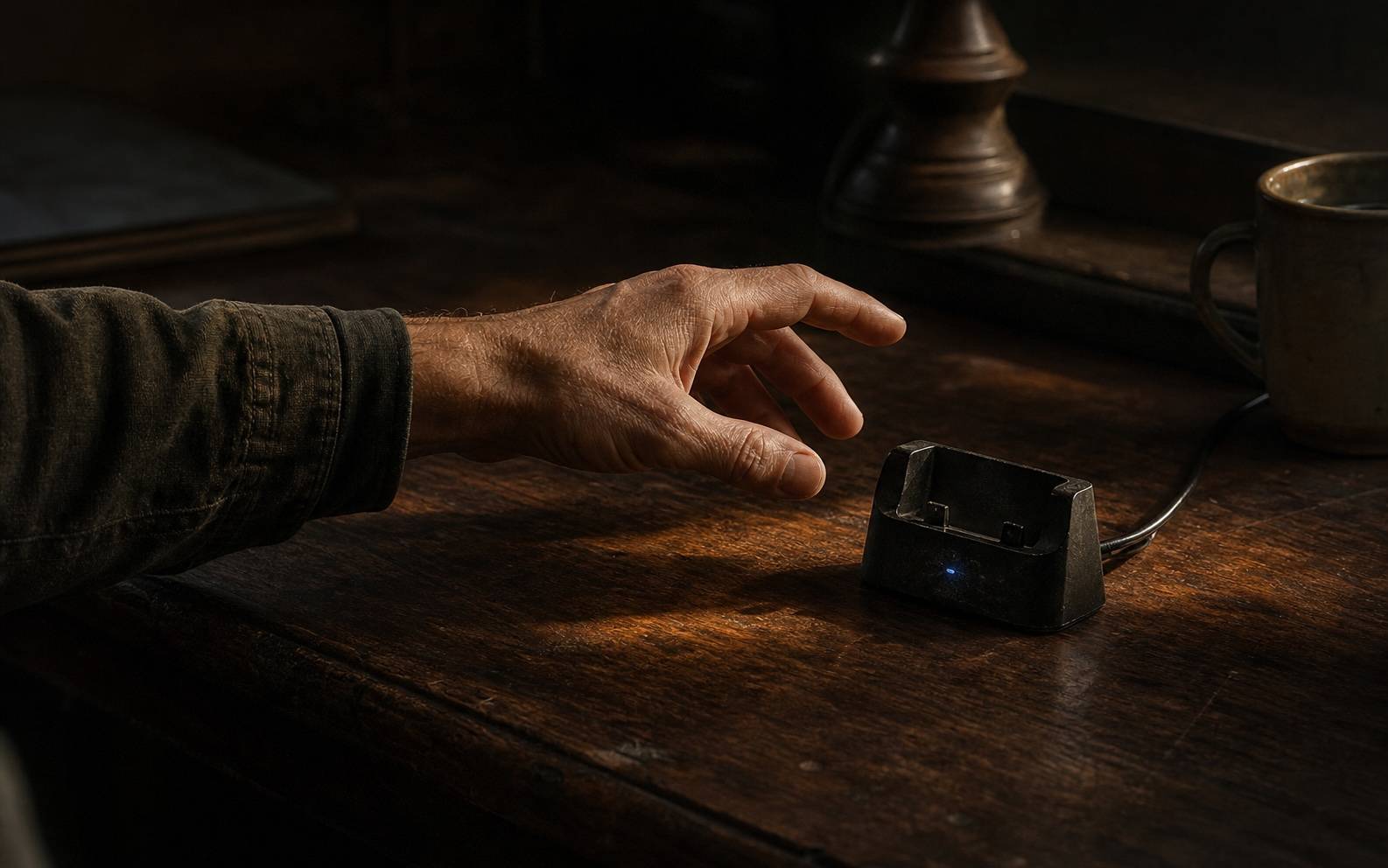
A couple of times a day, I catch myself reaching for my phone to see if there’s something I need to handle. There isn’t. Nobody is waiting for an answer. I don’t even have a work phone anymore. Nothing is about to go sideways because I didn’t check in.
It’s muscle memory. An old reflex that hasn’t caught up with the paperwork.
For over a year, I’ve been writing about the distinction between your Job and your Work.
Your Job is the arrangement through which you earn money. Your Work is the contribution you’re here to make: the things you want to improve, create, teach, care for or leave better than you found them.
A Job bundles several things together. It gives you income, structure, status, and a prescribed way to contribute. It tells you when to show up, what needs your attention, and whether your effort counts.
Do that for long enough and contribution can feel inseparable from the job. The organization identifies the problems. Your calendar provides the structure. And the paycheque confirms that somebody values what you did.
Retirement pulls that bundle apart. The employment contract ends, the employment income stops, and the organization no longer tells you how to be useful.
Contribution should remain, although now you have to choose it for yourself.
That’s the part I care about.
I want to retire the assumption that leaving paid employment should also mean withdrawing from an engaged and useful life.
We have one life. We divide it into work life, personal life and retirement, as though these were separate rooms and we’re expected to move from one into the next at the right time in our lives.
That has never made much sense to me.
Contribution doesn’t have to mean earning money, running a business or producing something anyone else can measure.
It can mean spending an unhurried afternoon with your grandchildren. It can mean caring for a family member, volunteering in your community, or helping someone through a problem you’ve already survived.
Taking care of your body matters too. Resting. Exercising. Recovering from years of stress. Giving yourself enough quiet to hear your own thoughts again.
There’s also philosophical work: sitting with difficult questions, reconsidering what you believe and taking the time to notice how astonishing it is that we’re here at all.
None of that appears on an org chart. Much of it is unpaid and invisible. It still adds something to the lives around us. In fact, it’s often the most important work we do.
Retirement doesn’t need to be impressive. A second career or new business might be part of it, but those are only two possibilities. The last thing we need is to give retirement its own performance review.
Some people will need months of doing very little before they know what they want. After decades inside an organization, it may take time to separate your own desires from the urgency you absorbed at work.
That recovery is part of the transition.
I’ve watched some people’s worlds shrink after retirement until television fills most of the day and visits are among the few interruptions. Television can be pleasant. Time with family can be deeply valuable.
What worries me is the loss of agency: the belief that the paycheque was the evidence of usefulness, so its disappearance meant there was nothing left to offer, explore, or care about.
I deeply believe that we’re here to contribute something for as long as we’re able. What that contribution looks like will change. What we can offer at 70 may bear little resemblance to what we offered at 40. Our energy changes. Our interests change. The people who need us change.
Purpose can change with them.
My government job has ended. My Work continues through coaching, writing, this newsletter and whatever else emerges over the next few years.
I now get to choose my schedule, the people I work with, and the problems I give my attention to.
That freedom sounds lovely. It also sounds suspiciously like something I could ruin by over-scheduling it.
It’s far too early to know how this will go. I’m only a few days in. Of course it feels clean right now. Vacation always feels clean on day two.
The random Tuesday three months from now will tell me more.
What will I do when there’s nothing scheduled and no institution waiting for me? Can I create enough structure without rebuilding the job I just left? Will I be able to just rest without deciding I’m wasting the day? Can I contribute without needing an organization to certify that the contribution counts?
Those questions are now mine to answer.
You don’t need to wait until retirement to start answering them for yourself.
Imagine that your job ended tomorrow and the financial side was handled. What would still feel worth doing? Who would you want to give more attention to? What would you learn, make, repair, or care for? What part of yourself would finally have time to recover?
Notice which answers have nothing to do with your job.
Then consider whether some small part of that life could begin now.
As for whether I’ve successfully separated my Job from my Work, I don’t know yet. I think I have, but I’ll need time to gather the evidence.
I’ll report back after I’ve lived through a few of those random Tuesdays.