
Redesign Work So It Works for You
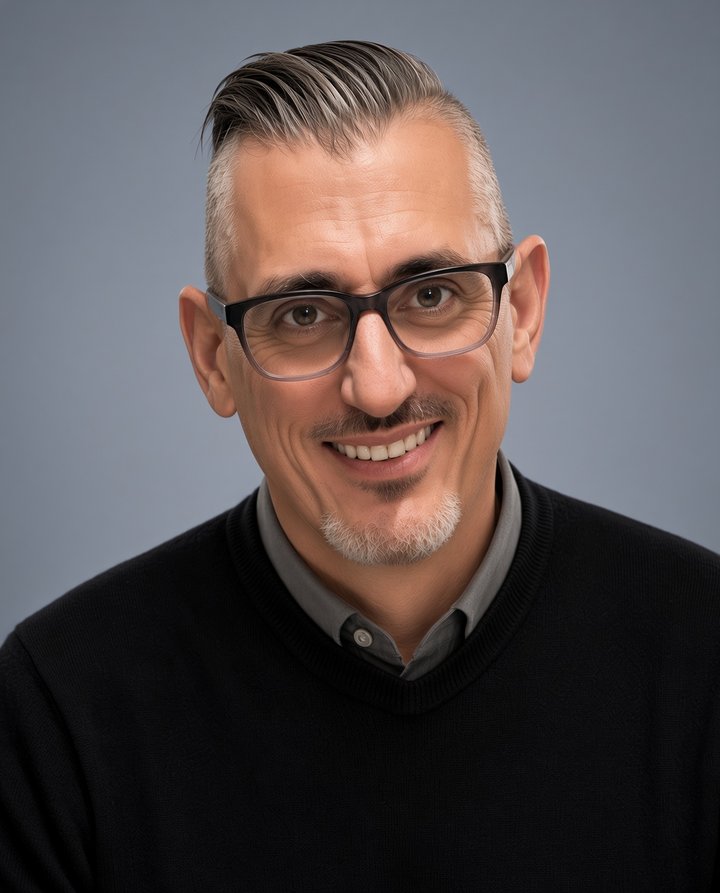
I’m Tim Parkins, Work Architect and founder of Opus Work.

Work is broken for many people.
They may have done all the right things: worked hard, taken on more responsibility, built expertise, earned good money, and become someone others rely on.
But despite having done all the things, they still feel unfulfilled. Unhappy. Maybe a bit burnt out, or even resentful of the job that is consuming so much of their energy. They wonder “is this really what all of this was for?”
That is the work I help people with.
Not simply figuring out what job to do next, but stepping back and asking a bigger question:
What role do I want work to actually play in my life?
From there, you can make clearer decisions, build a stronger foundation, and redesign work so that it supports the life you want instead of consuming it.
What I do
I’m not here to polish your résumé or help you prepare for an interview.
I work with successful mid- and late-career professionals who have done well in their careers, but are no longer convinced that the path they are on is the one they want to keep following.
I help them:
- get clear about the life they actually want
- understand what work is for at this stage of their life
- question assumptions they may have carried for years
- explore realistic possibilities without immediately blowing up their lives
- make better career decisions
- build systems and boundaries that give them more control over their time, energy and direction
In short, I help people reclaim ownership of their careers.
I call that Career Sovereignty.
Who this is for
Much of my work is with employed mid- and late-career professionals, often people working inside large organizations or the public sector.
They tend to have something in common:
From the outside, things look pretty good.
They may have seniority, expertise, status, a strong income, a pension, or years invested in a particular path.
But internally, something feels off.
Maybe work is taking too much.
Or maybe they have changed but their career hasn’t.
They are no longer sure they want the next promotion, the next five years, or even the profession they once worked hard to enter.
Often the underlying question is some version of:
I did what I was supposed to do. Why doesn’t this feel like success?
The answer is not always to quit.
Sometimes it means changing jobs. Other times, changing careers. Sometimes self-employment. Or maybe redesigning the job you already have.
The point is to stop running your career on autopilot and start making deliberate choices again.
Why I do this work
I learned a lot of this the hard way.
For years, I gave work too much of my time, energy and identity.
I kept taking on more responsibility, kept pushing harder, and assumed I could absorb more if I just managed myself better.
Work took it all, and then some.
Eventually, that path put me in the hospital and left me off work for months.
It forced me to confront something I had largely ignored:
I had become very good at succeeding inside a system without asking whether the system was still producing the life I wanted.
That changed how I think about work.
Ambition and achievement matter.
But work is only one part of a life. It should not be what you organize everything around.
That realization eventually led me away from a long career leading technology teams and toward the work I do now. I see too many other people heading down the same dangerous path I found myself on, and I aim to help people avoid that.
Where I come from
I spent 27 years in the Canadian federal public service, more than 20 of them as a manager or higher, including 11 as an executive.
My work included cybersecurity risk management and strategy, delivering transformational technology projects, data analytics, and leading professional technology teams inside large, complex organizations.
That experience taught me a great deal about leadership, decision-making and systems.
It also taught me how easily organizations can shape people’s behaviour without anyone consciously choosing the outcome.
Career structures, incentives, status, pensions, identity, expectations and simple inertia narrow the range of choices people believe they have.
A big part of my work now is helping people widen that range again.
Work is changing too
There is another reason I believe this work matters now more than ever.
Artificial intelligence is going to reshape jobs, careers and organizations at a scale we are only beginning to understand.
Tasks will change. Some roles will disappear and new ones will emerge. The value of particular skills will move faster than traditional career planning was built to handle.
I have spent much of my career working with technology, managing risk and large-scale change, and I hold the AI Governance Professional (AIGP) certification.
I am deeply interested in how AI can make work better, but I am equally interested in the judgment required to use it well.
Technology should expand human agency and creativity, not reduce it.
The technology is the lever.
But the human is what matters.
That makes Career Sovereignty more important, not less.
As work changes, people will need to think more clearly about what they want, understand the value they create, adapt deliberately, and avoid outsourcing major life decisions to employers, algorithms or momentum.
How I can help
- Foundation ChallengeIf you want to get a better sense of how prepared you are to make an important career decision, start with this free challenge.
- Career SovereigntyIf you want help thinking through your situation privately and strategically.
- Work ReinventedIf you want ongoing ideas about careers, agency, AI and designing a better working life — my free weekly letter.
One question worth asking
Most career advice starts with:
What should I do next?
I think there is a better place to start:
What kind of life am I trying to build, and what role should work play inside it?
Everything else follows from there.